By Cindy Schwall
A 2025 national survey of more than 4,200 recent and prospective home buyers found that navy blue bedrooms add $1,815 to a home's average offer price, olive green kitchens add $1,597, and dark gray living rooms add $2,593 — while a daisy yellow kitchen can cost sellers nearly $3,900. For Scarsdale homeowners preparing a Tudor, Colonial, or Craftsman for market, color is one of the highest-return, lowest-cost updates available.
Most homeowners think about color in terms of what looks good. Color psychology asks a different question: how do you want each room to feel? The two approaches are not mutually exclusive, but the second one produces better results. When the colors in a home are chosen with intention — matched to the function of each room and the mood it's meant to support — the effect on daily life is real and measurable. For Scarsdale homeowners thinking about a refresh, a renovation, or getting a property ready for sale, understanding what color actually does is a useful place to start.
Room | Color | Effect on Offer Price |
|---|---|---|
Living Room | Dark Gray / Charcoal | +$2,593 |
Bedroom | Navy Blue | +$1,815 |
Kitchen | Olive / Muted Green | +$1,597 |
Kitchen or Living Room | Daisy Yellow | −$3,891 to −$3,915 |
Bedroom or Living Room | Fire Hydrant Red | −$1,820 to −$1,987 |
Key Takeaways
- Color psychology is the study of how different hues influence mood, behavior, and perception of space — and it has direct applications in residential interior design.
- Warm tones (reds, oranges, yellows) energize and stimulate social interaction; cool tones (blues, greens, purples) calm, focus, and expand the sense of space.
- Lighting — both natural and artificial — significantly affects how a color reads in a room. North-facing rooms, common in older Scarsdale homes, benefit from warmer palettes.
- Paint is one of the highest-return pre-listing updates a homeowner can make: a 2025 national buyer survey found specific colors added $1,600–$2,600 to average offer price, while the wrong ones cost sellers up to $3,900.
- Consistency across rooms matters as much as individual color choices — flow between spaces creates a sense of coherence that buyers and residents respond to.
Understanding Warm and Cool Tones
The emotional foundation of color selection
- Warm colors — reds, oranges, yellows, and their derivatives — stimulate energy, increase appetite, and encourage conversation. They raise physiological arousal in measurable ways and are most effective in social spaces where activity and connection are the goal.
- Cool colors — blues, greens, and softer purples — slow the pace down. They lower stress responses, reduce heart rate, and create environments that feel calm, open, and restorative. Blues in particular have the broadest appeal of any hue in color preference research and work well across multiple rooms.
- Neutrals — whites, grays, beiges, and warm creams — serve as the connective tissue of a home's palette. They allow bolder choices elsewhere to breathe, provide balance, and let furniture, artwork, and architectural details read clearly.
Room-by-Room Guidance
Matching color to function in every space
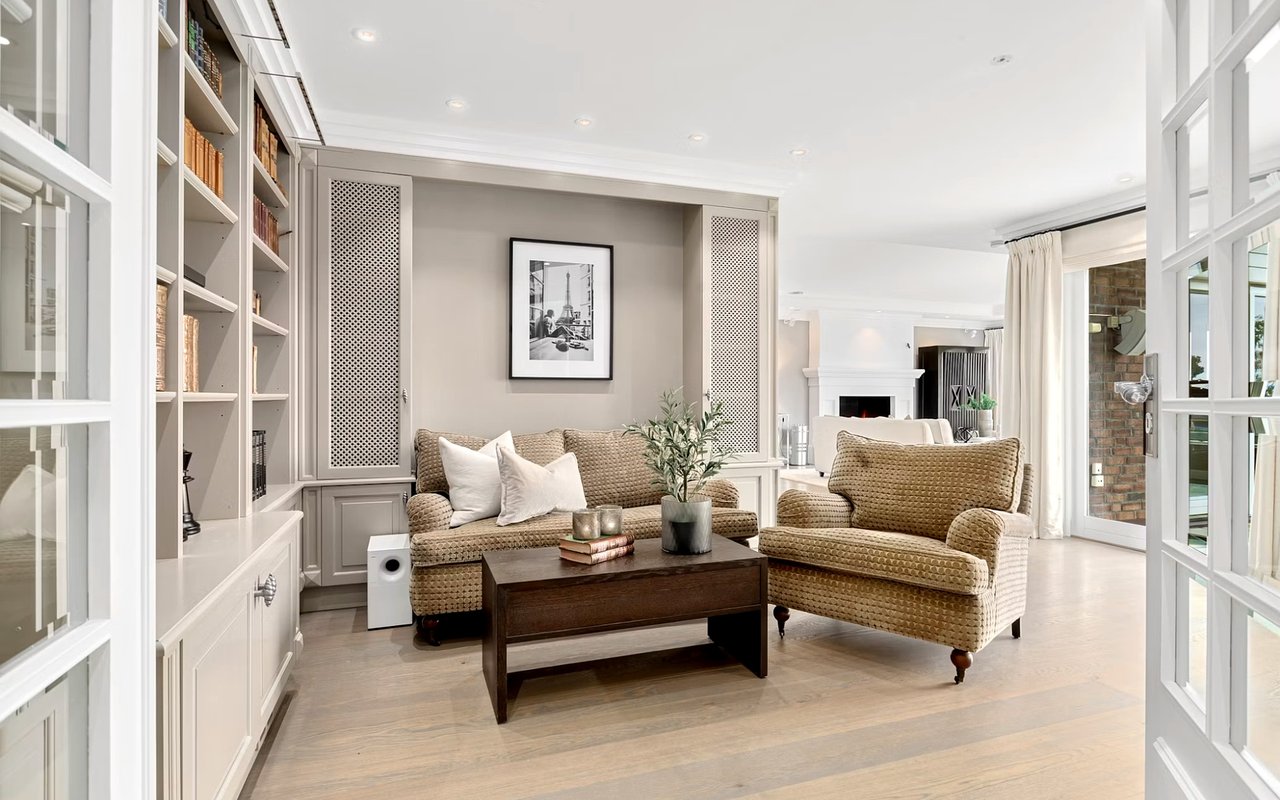
- Living rooms: Warm neutrals — beige, taupe, warm white — promote relaxation and make conversation feel natural. Soft greens and muted blues reduce the stress response and work particularly well in rooms with a lot of natural light. For Scarsdale homes with traditional architecture, a warm cream or greyed sage reads as classic rather than dated and holds up well across seasons. Dark gray/charcoal is the standout resale performer here per the 2025 buyer survey (see table above).
- Kitchens: Kitchens benefit from colors that feel clean, energizing, and welcoming. Soft yellows and warm whites work for lighter palettes, but avoid true "daisy yellow" if a sale is on the horizon — the 2025 buyer survey flags it as the single worst-performing kitchen color. Olive green has performed well in the same survey as an update to the all-white kitchen that defined the previous decade.
- Bedrooms: The primary function is rest, and the palette should support it. Soft blues — powder blue, dusty blue, slate — are the most consistent performers for promoting relaxation, and navy blue is the top resale performer in the bedroom-color data specifically. Muted sage, lavender, and greyed taupes also work well. Avoid highly saturated or warm colors in rooms meant for sleep.
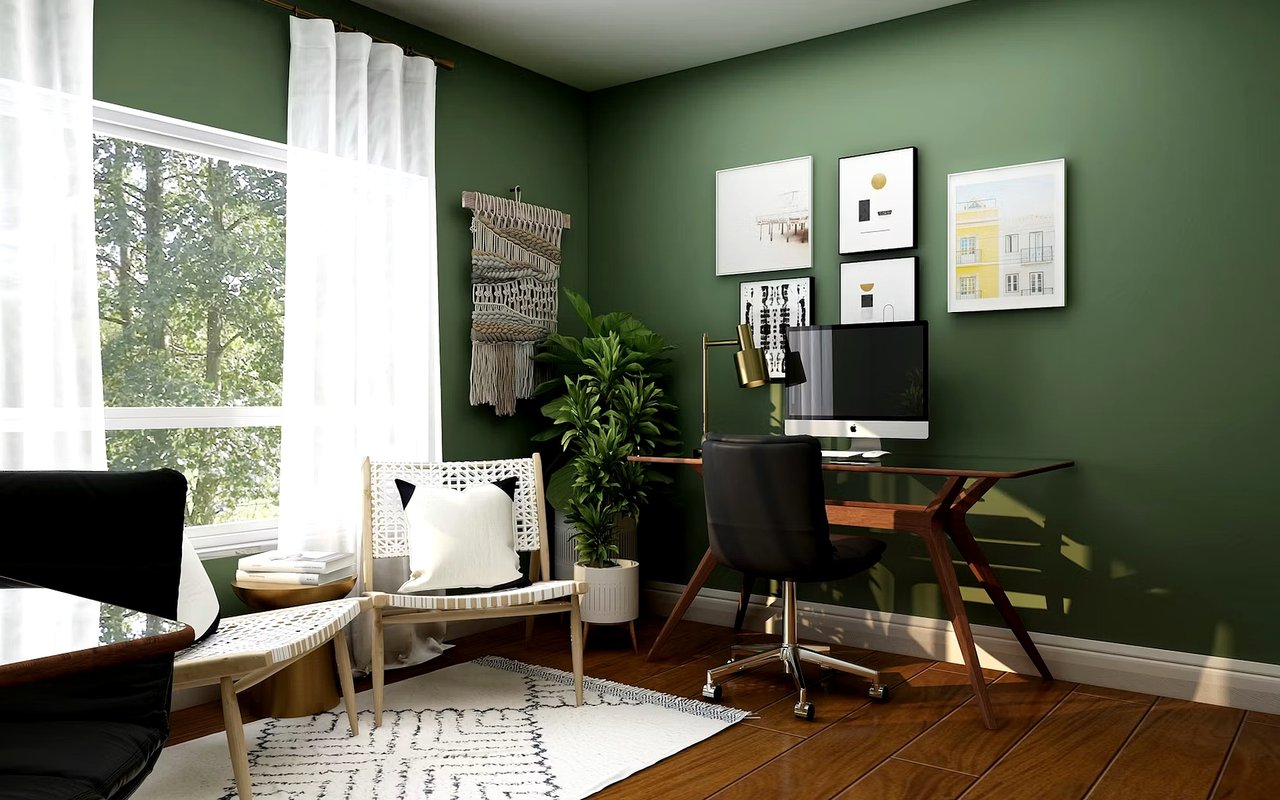
- Home offices: A space that requires focus benefits from cooler tones. Soft blue-greens have shown the strongest performance for productivity in controlled studies, with blue generally supporting concentration and calm. A too-stark white can actually be counterproductive — a slightly warmer tone reduces eye fatigue over long hours.
- Dining rooms: Rich, warm colors — deep burgundy, terracotta, warm red — stimulate appetite and encourage the kind of energy that makes meals feel like an occasion. These are among the few spaces where deeper, more saturated hues pay off.
- Entryways: The entry is the first impression, and the color sets the tone for the rest of the home. Deep jewel tones — emerald, navy, charcoal — convey confidence and make a statement. Warm neutrals paired with interesting trim or millwork work equally well in Scarsdale's Tudor and Colonial homes, which have strong architectural bones worth highlighting.
Lighting Changes Everything
Why the same color looks different in different rooms
- North-facing rooms receive cool, indirect light throughout the day. Warm tones help counteract that coolness and prevent a room from feeling dim or flat. Older Scarsdale homes often have north-facing formal rooms that benefit significantly from a warmer palette.
- South-facing rooms have abundant warm natural light. They amplify warm tones and soften cool ones — a muted blue that looks gray in a north-facing room can look crisp and clear with southern exposure.
- Artificial lighting interacts with color just as natural light does. Warm-spectrum bulbs enhance reds, oranges, and golds and add coziness. Cool-spectrum bulbs make blues and greens feel sharper and more modern.
Already thinking about which rooms to repaint before listing? That's usually a sign you're closer to selling than just redecorating.
See current Scarsdale market conditions or talk through your listing timeline with Cindy.
Color and Resale Value
What the data says about the financial dimension of color choices
- Navy blue bedrooms and dark gray (charcoal) living rooms were associated with higher buyer offers in the 2025 survey — $1,815 and $2,593 respectively — outperforming lighter equivalents in the same rooms.
- Olive green kitchens tested best with buyers in the same survey, adding $1,597 to average offers as a contemporary alternative to all-white.
- Fresh interior paint consistently delivers one of the highest returns on investment of any pre-listing improvement, with returns frequently exceeding the cost of the work.
- The wrong color choices carry a real cost: the survey found daisy yellow kitchens or living rooms reduced offers by roughly $3,900, and fire-hydrant red reduced them by roughly $1,800–$2,000. Overly personalized or highly saturated choices can narrow the pool of buyers who see themselves in the space.
FAQ
How do I choose a whole-home color palette that flows well?
What colors work best for older homes with traditional architecture, like many in Scarsdale?
Which paint colors actually increase a home's sale price?
Sell or Refresh Your Scarsdale Home With Confidence
If you're thinking about what updates to make before listing, or simply want a local perspective on what works in Scarsdale homes, I'm glad to be a resource.
About the Author
Cindy Schwall — Associate Real Estate Broker, Houlihan Lawrence, Scarsdale, NY. Cindy has helped Scarsdale homeowners prepare and market their homes for sale for over 20 years and ranked #2 in total dollar volume sold in the Houlihan Lawrence Scarsdale office (2020–2024). NY real estate license number available upon request.