Thinking about leaving the city without giving up a practical commute? Edgemont often lands on that short list for NYC buyers because it offers a suburban setting with strong access to Metro-North, but the daily routine is more nuanced than a simple map search suggests. If you are considering buying here, it helps to understand how station choice, block-to-block location, and housing style can shape your day. Let’s dive in.
Why Edgemont Appeals to NYC Commuters
Edgemont is an unincorporated hamlet in Greenburgh, and Greenburgh’s own historic survey describes the town as a commuter suburb of New York City. That commuter identity still matters today, especially for buyers who want a home base in Westchester while keeping Midtown within reach.
For many buyers, the biggest draw is that Edgemont sits near two key Harlem Line stations: Scarsdale and Hartsdale. That gives you more than one possible path into the city, which can be a real advantage when you are trying to build a routine that works every weekday.
Rail Access Matters Most
The current Harlem Line timetable includes weekday and weekend service from both Scarsdale and Hartsdale to Grand Central. For many NYC commuters, that train connection is the center of the decision.
A practical reading of the current schedule suggests that many direct weekday rides from Scarsdale or Hartsdale to Grand Central are roughly half an hour. That timing depends on the specific train and time of day, so it should be treated as a helpful planning baseline rather than a promise.
Grand Central is also more than just the last stop. It connects directly to the 42 St subway station and several MTA bus lines, which can make the final leg into Midtown fairly simple.
Scarsdale or Hartsdale?
One of the most important questions when buying in Edgemont is this: which station would your address actually use? The answer often depends on the exact block, not just the neighborhood name.
Greenburgh’s planning materials note that Scarsdale borders the unincorporated Greenburgh neighborhoods of Edgemont and Hartsdale. In real life, that means two homes both described as “Edgemont” can have very different station routines.
Some buyers assume the answer is obvious once they know the mailing address. In this area, it often is not. The better approach is to test each home based on how you would actually leave in the morning and return at night.
The Last Mile Changes Everything
For commuters, the real question is often not the train ride itself. It is the last mile between your front door and the station.
That last mile may include a walk, a quick drive, or a drop-off depending on where the home sits. Some pockets feel more train-first, while others feel more car-first, even within the same broad area.
This is why address-specific guidance matters so much in Edgemont. A home that looks equally convenient on paper may feel completely different once you factor in the actual route to the station, the time of day, and how realistic that routine feels five days a week.
Walkable Pockets Exist, But Not Everywhere
Some parts of Edgemont offer a more walkable commuter routine than others. A well-known example is Cotswold, which Westchester Magazine describes as a 1920s enclave of sizable Tudor homes where residents can walk to schools and to Scarsdale for the train or downtown errands.
That kind of setup can be especially appealing if you want a more urban-style rhythm in a suburban setting. You may be able to handle the school run, train, and local errands with less driving.
But it is important not to generalize that experience across all of Edgemont. Other sections are more car-dependent, so your daily routine may look very different depending on the home.
Driving Still Plays a Role
Even if your goal is a train-based commute, driving still shapes the way many buyers evaluate Edgemont. Greenburgh’s historic survey notes that the Bronx River Parkway made commuting to New York City by car easier and that the Cross Westchester Expressway, or I-287, is also part of the broader transportation context.
For some buyers, that matters because the commute is not always just home to train to office. It may also include daycare drop-off, after-school activities, or a return trip that does not line up perfectly with a direct train.
In that sense, Edgemont can work for both train-first and car-first households. The key is knowing which one your lifestyle actually requires.
What the Stations Offer
Scarsdale and Hartsdale are both accessible stations with elevators, ramps, tactile warning strips, and audiovisual passenger information systems. Both also have ticket machines and no ticket office.
That means everyday riders are expected to use the TrainTime app or station machines before boarding. If you are relocating from the city, that may be a small adjustment, but it is useful to know ahead of time.
Know Peak and Off-Peak Timing
If you are planning your future commute costs and routine, peak and off-peak rules matter. Peak fares apply on weekday rush-hour trains arriving in New York City terminals between 6 a.m. and 10 a.m., trains departing Grand Central between 4 p.m. and 8 p.m., and Metro-North trains leaving Grand Central between 6 a.m. and 9 a.m.
Weekend and holiday service is off-peak all day. That is helpful for casual trips into the city, but it can also make weekend tours feel easier than a true Monday morning experience.
How to Tour Edgemont Like a Commuter
If commuting is a major reason you are buying here, tour with that priority in mind. It is easy to fall in love with a kitchen or backyard and overlook the part of the day you will repeat hundreds of times each year.
A weeknight tour can be especially useful because it lets you experience the route, traffic, and station access under more realistic weekday conditions. You will get a better sense of whether the routine feels manageable when time is tight.
Weekend tours still have value. They are often better for judging neighborhood quiet, walkability, and how the home feels at a slower pace, but they usually understate the pressure of a weekday commute.
A smart commuter tour checklist
- Test the route to both Scarsdale and Hartsdale if the address could use either
- Time the trip from the house to the station at the hour you would actually leave
- Walk the route if a walk-to-train lifestyle matters to you
- Check how easy the return trip feels after work
- Look beyond mileage and focus on the real routine
What Homes You Will See in Edgemont
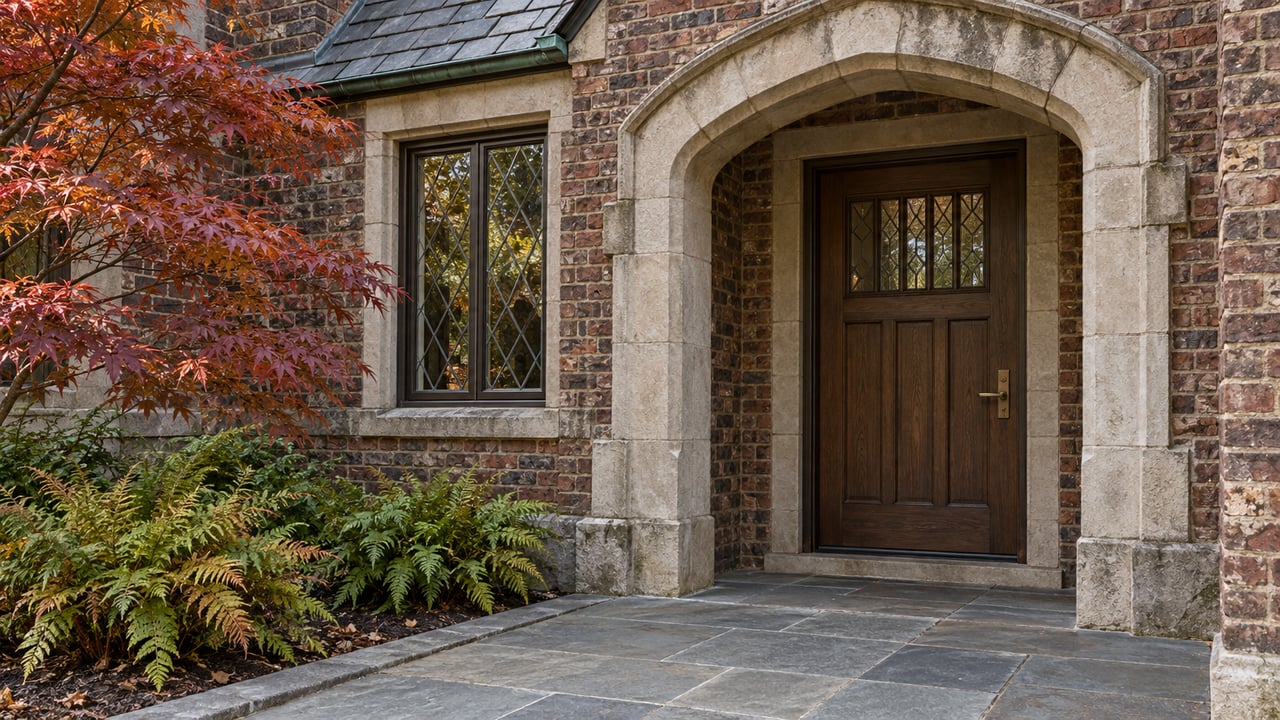
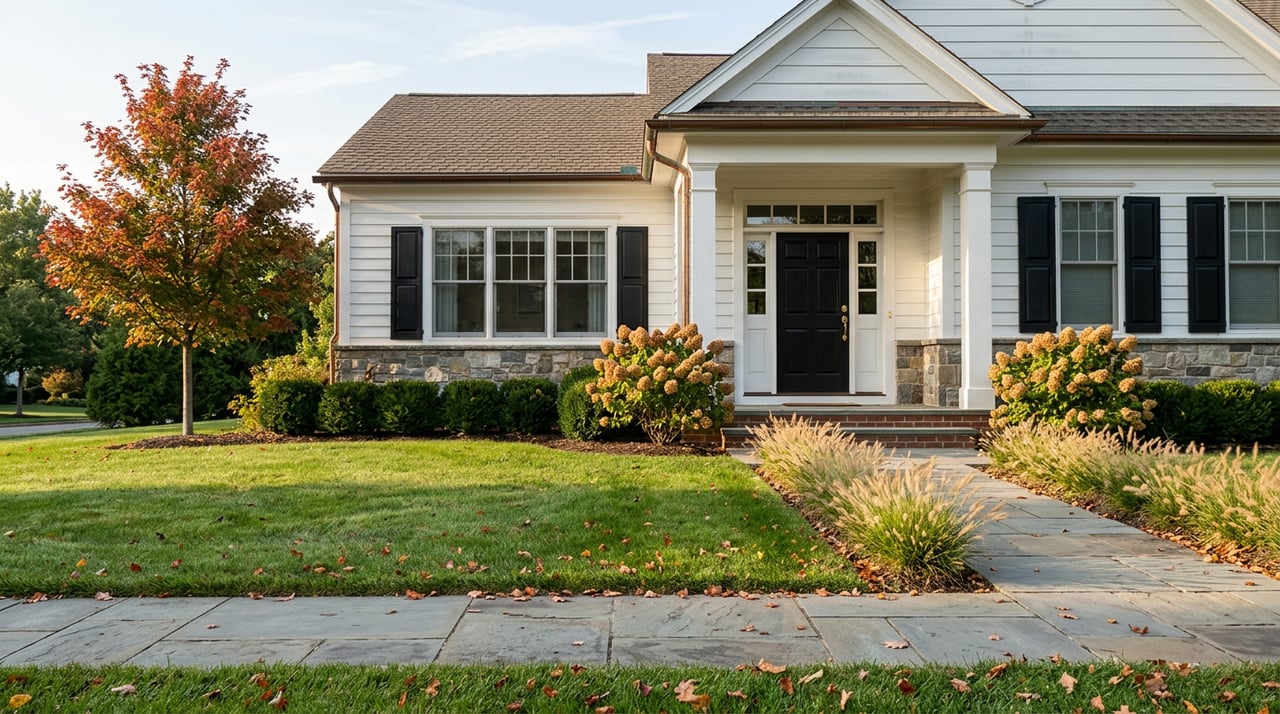
Edgemont’s housing stock is not one-note. Greenburgh’s survey points to postwar planned communities with single-story and split-level ranch-style homes, while local coverage highlights Tudor-heavy pockets such as Cotswold.
For you as a buyer, that means one showing may feel very different from the next. You might tour a pre-war Tudor on one block and a later split-level or ranch on another.
That variety can be a plus. It gives commuters different ways to balance style, layout, and location, rather than forcing every buyer into the same type of suburban home.
Matching the Home to the Commute
The best Edgemont purchase is not just the prettiest house or the shortest theoretical ride to Manhattan. It is the home that fits the life you actually plan to live.
If you want a more walkable routine, certain pockets may stand out more quickly. If you expect to drive to the station, or if your day includes multiple stops, a different part of Edgemont may make more sense.
That is where hyperlocal guidance can save you time and frustration. In a market where commute patterns can vary block by block, small location details often have an outsized impact on daily life.
If you are weighing a move from NYC to Edgemont, the most helpful next step is to evaluate homes through the lens of your real weekday routine, not just the listing photos. When you want local insight on how a specific address may function day to day, Cindy Schwall can help you approach the search with clarity and confidence.
FAQs
Which train station do most Edgemont buyers use for a Manhattan commute?
- It depends on the exact address. Many buyers compare Scarsdale and Hartsdale because Edgemont sits beside both, and the most practical option is often block-specific.
How long is the train ride from the Edgemont area to Grand Central?
- Many direct weekday rides from Scarsdale or Hartsdale to Grand Central are roughly half an hour based on the current timetable, but the exact trip depends on the train and time of day.
Can you walk to the train from Edgemont?
- In some parts of Edgemont, yes. Cotswold is a documented example where residents can walk to Scarsdale and the train, while other sections are more car-dependent.
Is Edgemont better for a train-first or car-first commute?
- It can work for either, but many NYC commuters prefer the Harlem Line to Grand Central. The better fit depends on your exact address, station access, and daily schedule.
What kinds of homes should NYC buyers expect in Edgemont?
- You should expect a mix of housing styles, including Tudor-heavy older pockets and later ranch or split-level homes, with noticeable variation from block to block.
When should you tour an Edgemont home if commuting is a top priority?
- A weeknight tour is often the best test because it shows you what station access, traffic, and train timing feel like during a more realistic weekday routine.