Thinking about trading a New York City apartment for a house in Larchmont? The move can feel exciting and a little disorienting at the same time, especially when you are trying to compare a dense city lifestyle with a small Westchester village that works very differently day to day. If you are considering the switch, this guide will help you understand the housing, commute, parking, and scouting process so you can make a more confident move. Let’s dive in.
Larchmont Feels Different From NYC Fast
One of the biggest adjustments is not just distance from Manhattan. It is the shift from a city market to a more owner-heavy suburban market. Census data shows Larchmont has about 6,640 residents, a 72.6% owner-occupied housing rate, and a median owner-occupied home value of $1,635,500, compared with New York City’s 32.8% owner-occupied rate and $777,600 median owner-occupied home value.
That tells you something important right away. In Larchmont, many buyers are stepping into a market where ownership, lot size, upkeep, and long-term planning matter more than they usually do in a typical city apartment search. Even if you rent first, the overall housing environment still feels more suburban, lower-density, and house-focused.
Housing in Larchmont
Expect More Detached Homes
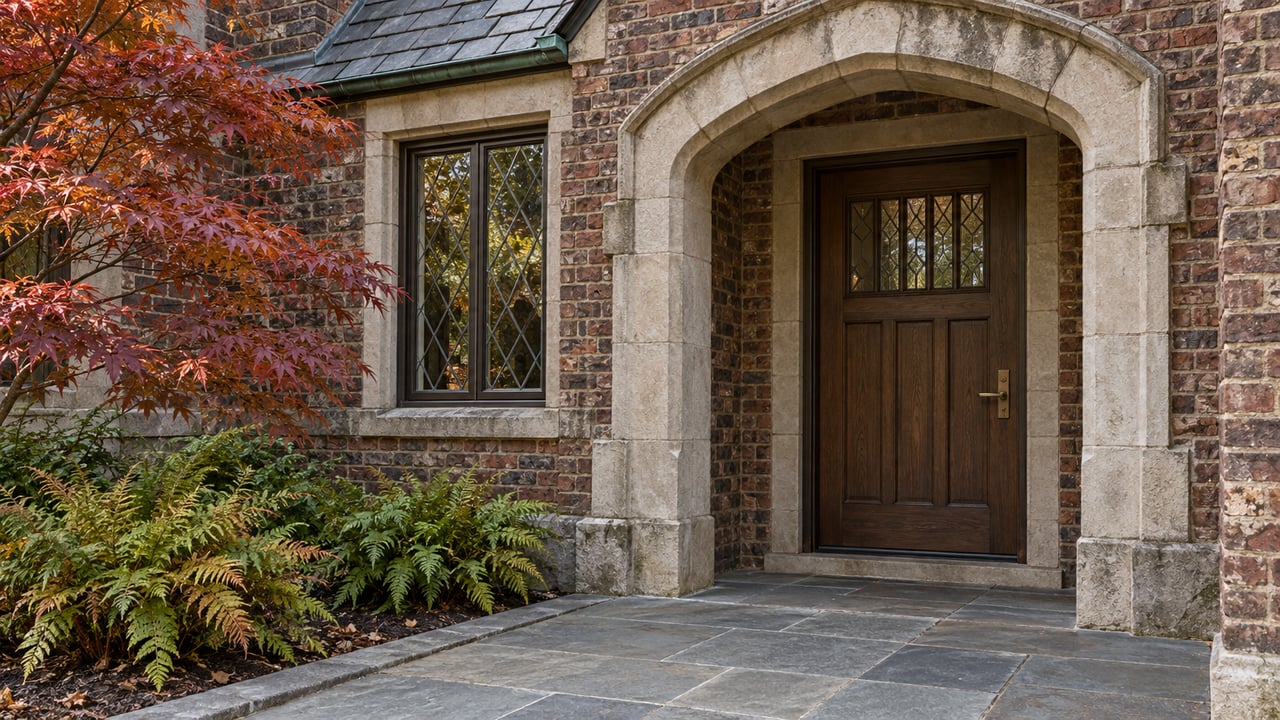
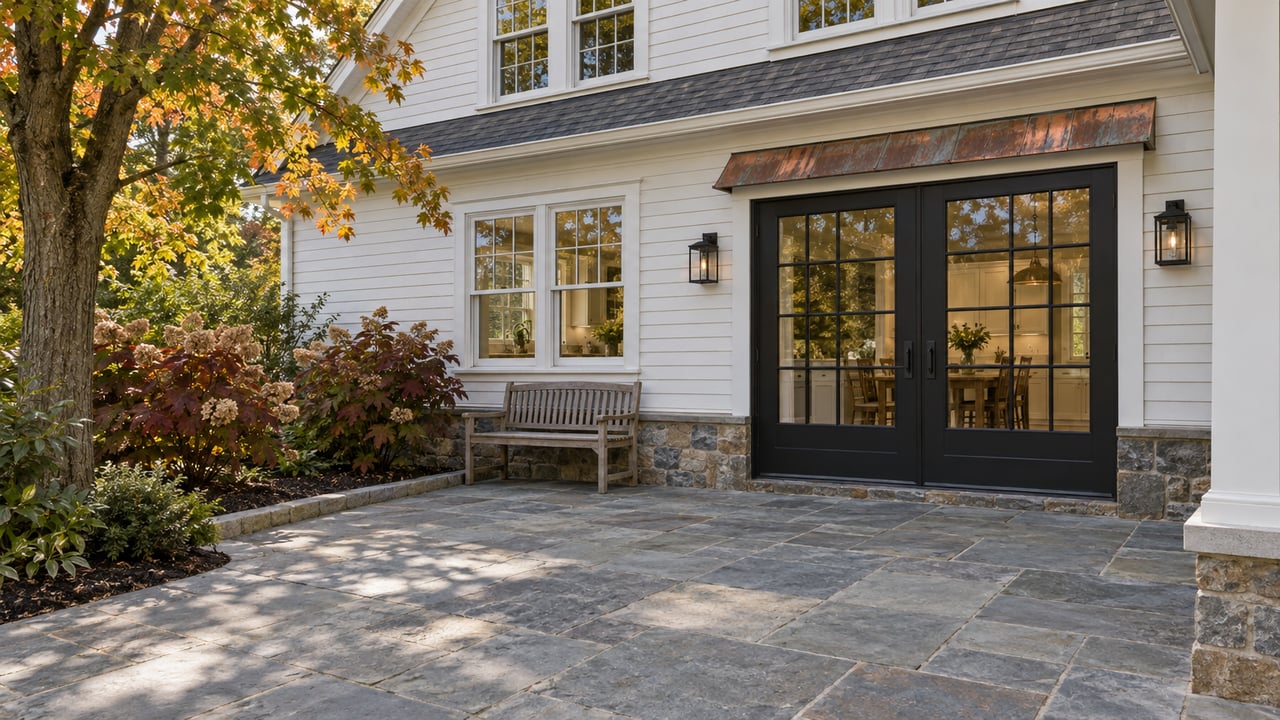
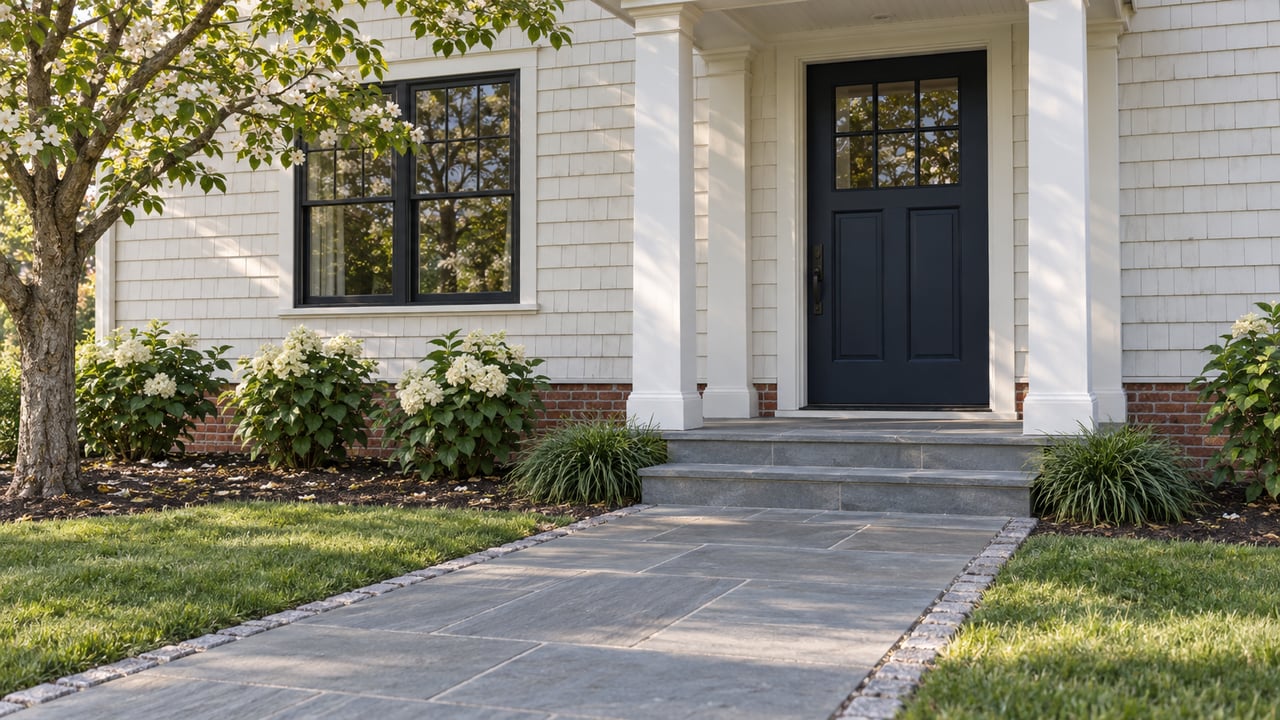
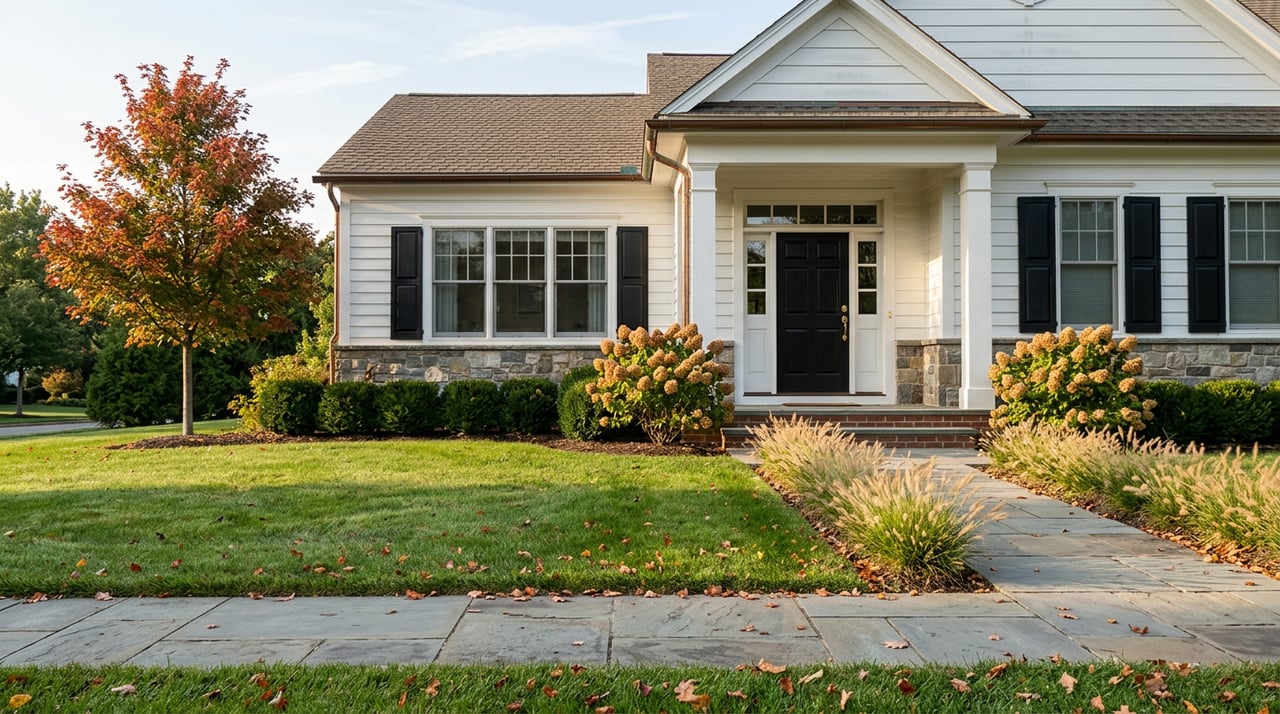
Village planning materials describe most residential planning areas as one-family detached homes. Apartment houses are more concentrated near Palmer Avenue east of Depot Way West and around the commercial core. If you are used to seeing blocks of co-ops, condos, and elevator buildings in NYC, that difference will stand out quickly.
For many buyers, that means your home search may involve different trade-offs. You may gain outdoor space, storage, and privacy, but you may also need to think more carefully about roof age, yard maintenance, driveway layout, and how the property functions in everyday life.
Older Homes Shape the Market
Larchmont’s historic housing stock includes late-19th-century Shingle Style homes, early-20th-century Colonial Revival houses, and later Cape Cod, Split Level, and Ranch forms. In practical terms, you are likely to encounter homes with architectural character and age, rather than large stretches of uniform new construction.
That can be a real draw, but it also changes how you evaluate a property. Older homes often come with unique layouts, renovation history, and maintenance considerations that city buyers may not have had to manage before.
Rent Is Not the Whole Story
Median gross rent is listed at $2,093 in Larchmont versus $1,821 in New York City. Still, the more meaningful lifestyle shift is not rent alone. It is moving into a place where the housing pattern is more ownership-oriented and where space, parking, and property care become part of daily decision-making.
The Commute to Grand Central
Larchmont Is Built for Commuters
Larchmont sits on Metro-North’s New Haven Line between Mamaroneck and New Rochelle. That places it in a well-used Sound Shore commuter corridor, not in an isolated suburb. For many NYC buyers, that is part of the appeal.
Current timetable examples show some Larchmont-to-Grand Central trips in roughly the 37 to 42 minute range, depending on the train. That is a manageable trip for many households, but your actual experience will depend on which train you take, your work hours, and how you handle station access on both ends.
Station Details Matter More Than You Think
The Larchmont station is accessible and includes elevators, a ramp, tactile warning strips, and audiovisual passenger information systems. It also has three ticket machines and no ticket office. In practice, many riders will use the TrainTime app or station machines rather than expecting a staffed counter.
This is where suburban commuting starts to feel different from city commuting. Your train time is only part of the picture. You also need to think about how you are getting to the station, whether you are parking, getting dropped off, walking, or using a backup option like a Bee-Line bus connection.
Current Fare Context
As of the current MTA fare table effective September 1, 2025, Larchmont is in Zone 13. A one-way inbound peak fare to Zone 11, including Grand Central, is $4.25, and a monthly ticket is $75.50.
Those numbers are useful, but they are only one piece of the budget. For many households, the bigger planning question is how the station routine will work in real life.
Parking Is Part of Daily Life
Village Parking Rules Are Structured
If you are moving from Manhattan or Brooklyn, parking may be one of the biggest practical adjustments. Larchmont’s parking code is detailed and permit-driven. As of the current code amendment date of November 18, 2024, Parking Lots 1 and 2 require resident parking permits during weekday commuter hours from 6 a.m. to 6 p.m.
Lot 3 allows meter licenses or day parking permits. Lots 4, 5, 6, and 10 have four-hour meter limits from 8 a.m. to 6 p.m., with day permits available only to village residents and certain business or medical users. Permits are tied to license plates and managed through an online system.
Parking Affects More Than the Commute
It is easy to think of parking as a train issue only, but in Larchmont it is part of how the village works overall. The local rules help shape where you can stop, how long you can stay, and what kind of flexibility you actually have during the day.
That matters if you picture a casual suburban setup where parking is always simple. In reality, parking is part of the lifestyle transition, especially if your daily routine includes coffee runs, errands, station drop-offs, or shared driving schedules.
Walkability in Larchmont
Walkable in Pockets
Larchmont does have a walkable village core, but it is not uniformly city-walkable. Historic village materials show that commercial development clustered around two main nodes: the railroad station and Palmer Avenue, plus the Boston Post Road at Larchmont and Chatsworth avenues. Those areas tend to feel the most connected for shops, restaurants, and station access.
Outside those pockets, the experience becomes more residential and suburban. Depending on where you live, you may still drive for part of your routine even if you can walk to some destinations.
Car Use Still Matters
For many relocating households, the real question is not whether Larchmont is walkable at all. It is whether your specific home choice supports the kind of day you want to have. Some buyers can handle a mostly on-foot routine near the village center, while others will want a car for errands, commuting logistics, or general convenience.
That is why it helps to think beyond listing photos. You want to understand what daily movement actually looks like from the street, driveway, station, and shopping areas you would use most.
How to Scout Larchmont Before You Move
Visit at More Than One Time
A single Saturday open house usually does not tell you enough. If possible, plan a weekday evening or Friday night visit so you can see parking, station usage, and dinner traffic under more typical conditions. Because village parking rules are time-based, peak and off-peak experiences can feel very different.
A strong scouting trip should include at least three looks:
- A commuter-hour visit
- A Saturday shopping-hour visit
- An evening visit when restaurants, street parking, and station activity shift again
Test the Core on Foot and by Car
Do one walkable loop around the station, Palmer Avenue, and the Boston Post Road commercial core. Then repeat the same trip by car. That side-by-side comparison helps you see how Larchmont functions from both perspectives.
This is especially helpful if you are trying to picture everyday tasks like picking up coffee, running errands, or getting to the train on time. The experience may feel easy on foot in one pocket and much more car-dependent just a few blocks away.
Try the Commute You Would Actually Use
If commuting is part of your plan, test the station you would really use rather than relying only on online maps. Train timing, station access, permit rules, and your preferred schedule all affect how easy the trip feels.
A 40-minute train ride can feel very different depending on whether station access is simple or stressful. That is why local context matters so much when you are comparing one village to another.
Compare Larchmont With Nearby Sound Shore Towns
Add Mamaroneck and Rye to Your Search
If you are narrowing in on Larchmont, it helps to compare it with nearby stops on the same New Haven Line corridor. The current timetable places Larchmont, Mamaroneck, New Rochelle, and Rye in the same commuter sequence, which makes Mamaroneck and Rye especially useful benchmarks.
When you compare towns, focus on a few basics:
- Housing type and age
- Parking rules and day-to-day friction
- The feel of the commercial core
- How the station fits into daily life
This kind of side-by-side visit often gives you more clarity than reading neighborhood summaries online. You start to notice which place matches your pace, your commute habits, and your housing priorities.
What NYC Buyers Should Plan For
Moving from NYC to Larchmont is usually less about leaving the city and more about learning a new set of daily systems. You may gain more space and a quieter residential setting, but you also need to think more about home maintenance, lot layout, station routines, and village parking rules.
That does not make the move harder. It just means the smartest buyers prepare for the lifestyle details as carefully as they prepare for the purchase itself. When you understand how Larchmont works on the ground, your home search becomes much more focused and much less stressful.
If you are weighing a move from NYC to Westchester, working with a local advisor who knows the differences between village centers, commuter patterns, and housing stock can save you time and help you make a more confident decision. When you are ready to talk through Larchmont and nearby communities, connect with Cindy Schwall.
FAQs
How long is the commute from Larchmont to Grand Central?
- Current Metro-North timetable examples show some Larchmont-to-Grand Central trips in roughly 37 to 42 minutes, depending on the train.
Do you need a parking permit for Larchmont commuter lots?
- In Larchmont, Parking Lots 1 and 2 require resident parking permits during weekday commuter hours from 6 a.m. to 6 p.m., while other lots have different meter and day-permit rules.
Can you live in Larchmont without a car?
- Some households can walk to parts of the village core near the station, Palmer Avenue, and the Boston Post Road area, but many buyers still find that a car helps with errands and daily logistics.
What kind of homes should NYC buyers expect in Larchmont?
- Most residential areas are made up of one-family detached homes, with apartment houses concentrated closer to the commercial core, and much of the housing stock includes older homes with architectural character.
How should you compare Larchmont with nearby towns?
- A useful comparison is to visit Larchmont alongside Mamaroneck and Rye on the same New Haven Line and evaluate commute feel, housing types, parking setup, and how each downtown area works in real life.