Scarsdale and Nearby Suburbs: How to Compare Options
Comparing lower Westchester County suburbs requires evaluating rail lines (Harlem Line vs. New Haven Line), downtown walkability, and recreational assets across Scarsdale, Edgemont, Bronxville, Larchmont, and Rye—each offering distinct architectural identities and daily rhythms within 16 to 24 miles of Midtown Manhattan.
Suburb | MTA Rail Line & Zone | Downtown & Commercial Layout | Primary Recreation & Highlights |
|---|---|---|---|
Scarsdale | Harlem Line | MTA Zone 4 | Single Tudor Village Center | 24 Community Parks, Municipal Pool Complex |
Edgemont | Harlem Line Access (Greenburgh) | Residential Pockets (No Single Core) | Greenburgh Town Parks, Secor Woods Park |
Bronxville | Harlem Line | MTA Zone 3 | Compact, Highly Walkable Core | Lawrence Park Historic District, River Trails |
Larchmont | New Haven Line | MTA Zone 13 | Multiple Commercial Hubs | Flint Park, Pocket Parks, Long Island Sound |
Rye | New Haven Line | MTA Zone 14 | Central Business District + Waterfront | Rye Town Park, Playland, Golf Club, Boat Basin |
Trying to compare Scarsdale with nearby suburbs can feel harder than it should. On paper, many of these communities share commuter access, attractive housing, and strong everyday conveniences, but the feel on the ground can be very different. If you are deciding where you may want to live in lower Westchester, this guide will help you compare Scarsdale, Edgemont, Bronxville, Larchmont, and Rye in a clear, practical way. Let’s dive in.
Start With Your Daily Routine
Before you compare home styles or downtown charm, think about how you want an average weekday to work. The best fit often comes down to your commute, how often you want to walk to shops or the train, and how much you value parks and recreation close to home.
A useful way to compare these suburbs is to ask a few simple questions. Do you want a walk-to-train village, or are you comfortable driving to a nearby station? Do you prefer one strong downtown core, or a more residential setting with amenities spread across a larger town system?
Comparing Westchester Suburbs: Town-by-Town Breakdown
Scarsdale: Classic Village Living
Scarsdale is often the anchor for this comparison because it offers a very defined village experience. The village’s planning documents describe the Village Center as historic, walkable, and Tudor in character, with pedestrian connections, outdoor dining, Chase Park, and access to the Bronx River Reservation.
- Location & Station: Scarsdale Station, Boniface Cir, Scarsdale, NY 10583 | Harlem Line Zone 4 (30-35 min to Grand Central)
- Recreation Hubs: Scarsdale Pool Complex (311 Mamaroneck Rd), Weinberg Nature Center (455 Mamaroneck Rd)
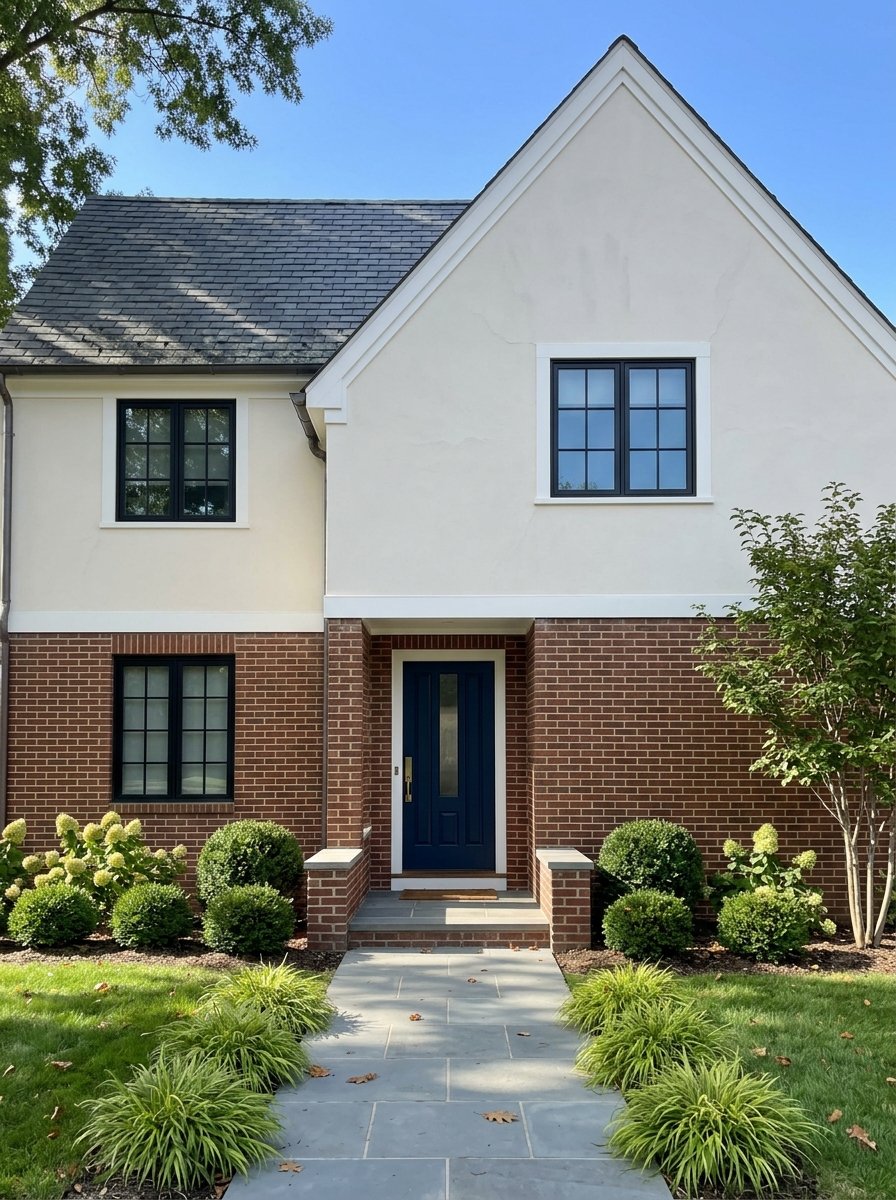
- Primary Architectural Styles: Pre-war Tudor Revival, Colonial Revival, Custom Modern Builds
That matters if you want a suburb with a recognizable center and an established daily rhythm. The village also highlights recurring downtown programming such as the Scarsdale Farmers Market and seasonal community events, which adds to the sense of place. Scarsdale also stands out for its recreation network. The village lists 24 community parks, along with the Pool Complex and the Weinberg Nature Center. If you want a classic downtown feel plus broad local recreation options, Scarsdale offers a strong mix.
Source: Village of Scarsdale Parks Department and MTA Metro-North Schedule Reports.
Edgemont: Residential And Town-Based
Edgemont is different because it is an unincorporated community within the Town of Greenburgh rather than an incorporated village. That means the comparison is less about one central downtown and more about neighborhood fit, nearby station access (utilizing Scarsdale or Hartsdale stations), and town-run services.
- Location & Station Access: Access via Scarsdale Station or Hartsdale Station | Town of Greenburgh Services
- Recreation Hubs: Secor Woods Park (71 Secor Rd, Hartsdale, NY 10530), Greenburgh Town Facilities
- Neighborhood Character: Quiet residential winding streets, single-family subdivision pockets
Greenburgh’s materials for Edgemont include train-station connection routes and park overlays. In practical terms, that suggests many residents think about how to reach nearby stations and make use of the larger Greenburgh recreation system, rather than centering daily life around one internal village core.
Bronxville: Compact And Highly Walkable
Bronxville offers one of the most compact and walkable settings in this group. Located 16 miles north of Manhattan and under 30 minutes by rail, the village maintains 2,300 parking spaces in or near its central business district.
- Location & Station: Bronxville Station, 1 Railroad Terminal Pl, Bronxville, NY 10708 | Harlem Line Zone 3
- Historic District: Lawrence Park National Historic District | Victorian, Tudor, and Shingle style architecture
- Parks & Trails: Bicentennial Park, Bronx River Reservation Parkway Center
Its identity is closely tied to a pedestrian-friendly village center. Bronxville also has a strong historic character, especially in Lawrence Park, a National Historic District with narrow, meandering streets, irregular building plots, and a mix of housing ranging from rental studios to expansive estates.
Source: Village of Bronxville Municipal Zoning Records and MTA Station Guides.
Larchmont: Commuter Village With Multiple Centers
Larchmont has a structure distinct from Scarsdale or Bronxville. Commercial activity is distributed around Boston Post Road (Route 1), Larchmont Avenue, and Chatsworth Avenue, creating several distinct commercial pockets rather than a single dominant core.
- Location & Station: Larchmont Station, 1 Chatsworth Ave, Larchmont, NY 10538 | New Haven Line Zone 13
- Recreation Hubs: Flint Park (Locust Ave), Manor Park (Shore Rd on Long Island Sound)
- Housing Mix: Transit-oriented apartments near station, Shoreline Revival & Shingle homes near Sound
The housing pattern changes by micro-location, with apartment buildings closer to the railroad station and different residential character toward the shoreline, including English Revival, Colonial Revival, and Shingle-style houses. Larchmont’s park network includes Addison Park, Constitution Park, Kane Park, Flint Park, Palmer Park, Pine Brook Park, Turtle Park, and Willow Park.
Rye: Downtown Plus Waterfront Access
Rye combines a traditional downtown business district along Purchase Street with extensive waterfront amenities. Municipal assets include Rye Town Park, Rye Playland, the Rye Boat Basin, the Whitby Castle / Rye Golf Club, and Recreation Park.
- Location & Station: Rye Station, 1 Station Plaza, Rye, NY 10580 | New Haven Line Zone 14
- Waterfront Landmarks: Rye Town Park & Beach (95 Dearborn Ave), Playland Park (1 Playland Pkwy)
- Architectural Oversight: Rye Board of Architectural Review enforcing neighborhood scale and massing
Rye’s housing character is defined by distinct coastal and inland neighborhoods. The city’s Board of Architectural Review active guidelines protect neighborhood character with formal standards for house scale, height, and building massing.
Source: City of Rye Waterfront Commission and MTA Commuter Services.
Key Suburban Comparison Metrics
Commute patterns are one of the clearest practical differences among these suburbs. Scarsdale and Bronxville sit on the Harlem Line, while Larchmont and Rye operate on the New Haven Line. Edgemont relies on nearby Harlem Line stations in Scarsdale or Hartsdale.
Feature / Attribute | Harlem Line Suburbs (Scarsdale, Edgemont, Bronxville) | New Haven Line Suburbs (Larchmont, Rye) |
|---|---|---|
Primary NYC Terminal | Grand Central Terminal (Direct Express) | Grand Central Terminal & Penn Station (Access) |
MTA Travel Zones | Zone 3 (Bronxville) to Zone 4 (Scarsdale) | Zone 13 (Larchmont) to Zone 14 (Rye) |
Waterfront / Sound Access | Inland / River Reservations & Nature Centers | Long Island Sound Beaches, Marinas & Boat Basins |
Core Architecture Styles | Tudor Revival, Colonial, Cotswold Cottage | Coastal Shingle, Victorian, Colonial Revival |
Article Guidance by Cindy Schwall
Cindy Schwall is a licensed Associate Real Estate Broker with Luxury Presence, bringing over two decades of local real estate guidance across Scarsdale, Edgemont, Bronxville, Larchmont, and Rye. Cindy assists buyers in evaluating commute zones, school district boundaries, and neighborhood streetscapes across lower Westchester County.
Connect with Cindy Schwall for Westchester Home Consultations
Frequently Asked Questions
What is the main difference between commuting from Scarsdale vs. Larchmont?
Scarsdale is located on the Metro-North Harlem Line (MTA Zone 4) running into Grand Central Terminal. Larchmont sits on the New Haven Line (MTA Zone 13), providing rail service along the coastal corridor with connections into Grand Central and Penn Station access points.
How does Edgemont differ municipally from Scarsdale or Bronxville?
Edgemont is an unincorporated area governed by the Town of Greenburgh, whereas Scarsdale and Bronxville are incorporated villages with their own centralized municipal village boards, police departments, and dedicated downtown business cores.
Which Westchester suburbs offer direct beach and waterfront access?
Rye and Larchmont both sit on the Long Island Sound and feature waterfront parks, beaches, and boat basins (such as Rye Town Park and Larchmont Manor Park). Scarsdale, Edgemont, and Bronxville are inland communities focused on river reservations, municipal pool complexes, and wooded nature centers.